5 Costly Rental Property Mistakes Austin Landlords Make
- 1. Ignoring Aging Plumbing in Older Rental Properties
- 2. Letting Unpaid Rent Accumulate Without a Clear Plan
- 3. Purchasing an Investment Property Without Visiting It
- 4. Treating Deferred Maintenance as an Optional Expense
- 5. Buying Based on Rental Income Instead of Actual Profitability
- Conclusion
- Frequently Asked Questions
- Costly rental property mistakes can reduce your investment returns through unexpected repairs, lost rent, and overlooked operating expenses.
- Inspect plumbing and other major systems in older Austin properties before purchasing to identify potentially expensive repairs.
- Address unpaid rent promptly by following a consistent collection process and applicable Texas eviction laws.
- Plan for future replacements of HVAC systems, roofs, water heaters, and appliances before they affect your cash flow.
Owning rental property in Austin isn't just about how much rent you collect. It's about how much of that income you actually keep.
An unexpected plumbing replacement, several months of unpaid rent, or a poorly evaluated investment can quickly eat into your profits. Some of these expenses are unavoidable, but others can be prevented with better planning.
The Property Society has managed rental investments throughout Greater Austin since 2006. Over the years, we've seen how seemingly small decisions can turn into expensive mistakes for property owners.
Here are five worth watching out for.
In the video below, John O'Neill, broker and co-founder of The Property Society, explains the costly mistakes he's encountered while managing Austin rental properties and what owners can do differently.
1. Ignoring Aging Plumbing in Older Rental Properties
An older Austin rental property might look great on the surface while hiding an expensive plumbing issue underneath.
Many older homes were built with cast iron drainpipes. Over time, these pipes can corrode from the inside, leading to leaks, blockages, and potentially extensive replacement work.
Properties built several decades ago deserve particular attention, especially when their original plumbing remains in place.
Before purchasing an older property, we recommend having a licensed plumber evaluate the drainage system. A sewer camera inspection can help identify deterioration that a standard home inspection might miss.
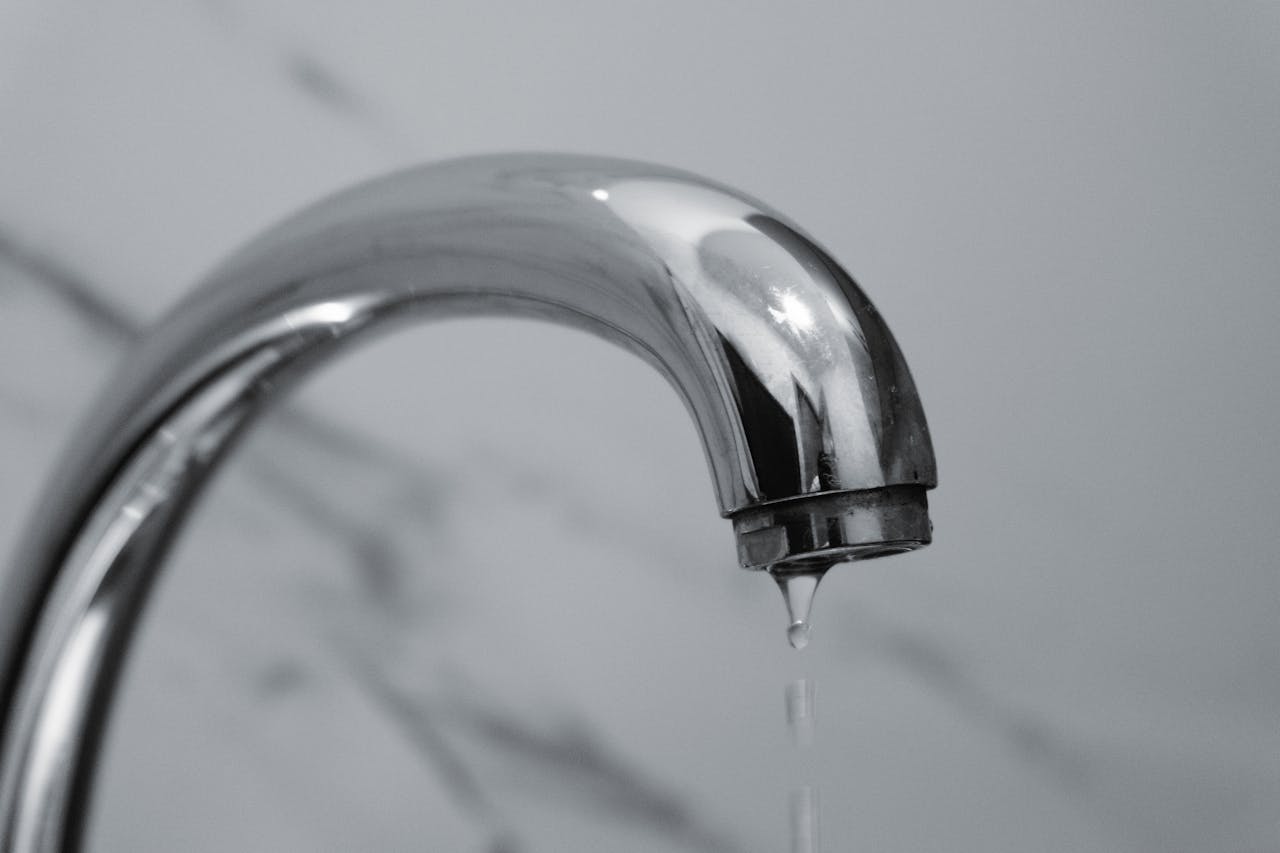
If significant damage is discovered, request estimates from multiple qualified contractors before committing to the purchase.
The important distinction is that older plumbing isn't automatically defective. What matters is its actual condition and whether potential replacement costs have been factored into your investment.
Contact Us Today
2. Letting Unpaid Rent Accumulate Without a Clear Plan
When a resident misses a rent payment, some landlords prefer to wait and see whether the situation improves.
Being understanding is important, but allowing unpaid balances to accumulate without taking appropriate action can put your rental income at risk.
A better approach is to establish a consistent process for handling late payments.
Start by reviewing the lease, contacting the resident, documenting the outstanding balance, and determining what options are available.
You may be able to work with a resident on a payment arrangement while also preparing for the next appropriate legal steps.
Texas eviction procedures require particular attention. Under Texas Property Code Section 24.005, landlords must generally provide the required written notice before filing an eviction lawsuit. Notice requirements can vary depending on the lease and payment history.
Rather than assuming every case follows the same timeline, landlords should follow current legal procedures and seek qualified guidance when necessary.
Addressing nonpayment early gives you more time to evaluate your options before the financial impact grows.
3. Purchasing an Investment Property Without Visiting It
Buying rental property remotely has become more accessible, but listing photographs don't always tell the complete story.
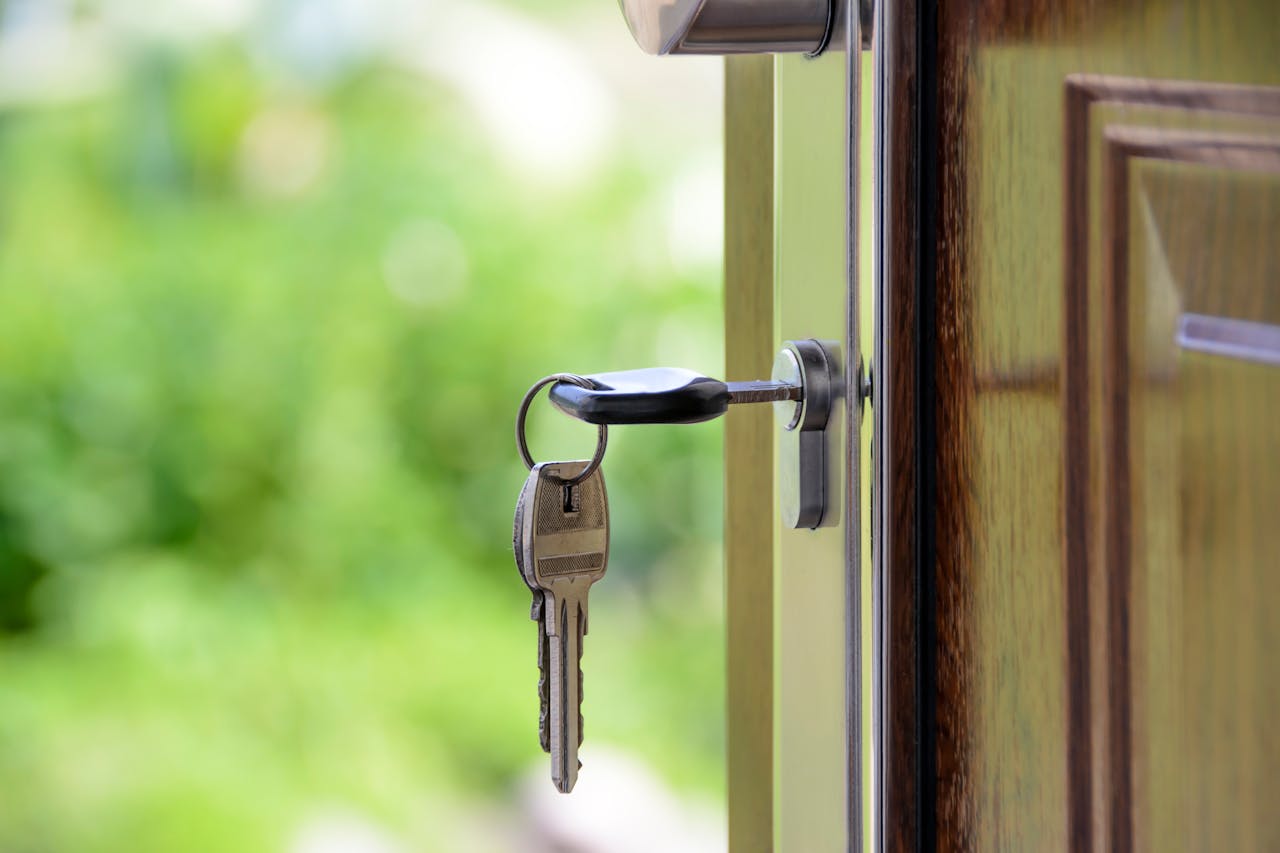
A home may look attractive online while having maintenance concerns, drainage issues, or surrounding conditions that weren't obvious in the listing.
For investors purchasing in Austin, Round Rock, Cedar Park, or other nearby communities, understanding the property's physical condition is especially important.
Whenever possible, visit the property before purchasing.
If you're investing from another state, arrange an independent inspection and ask a trusted local professional to evaluate details that photographs may overlook.
Consider the property's accessibility, nearby development, exterior condition, and any visible signs of deferred maintenance.
A property inspection won't identify every future expense, but it can reveal concerns that deserve further investigation before you finalize the purchase.
Learn How We Can Help!
4. Treating Deferred Maintenance as an Optional Expense
One of the easiest ways to make a rental property appear more profitable is to postpone maintenance.
The problem is that delaying necessary work doesn't make the underlying expense disappear.
Air conditioning systems eventually need replacement. Water heaters fail. Roofing materials deteriorate. Appliances wear out.
These expenses can become particularly difficult when an owner has already allocated most of the property's monthly income toward mortgage payments and other obligations.
Instead of waiting for something to break, create a maintenance schedule based on the age and condition of major components.
Keep records of repairs, monitor recurring issues, and establish reserves for future replacements.
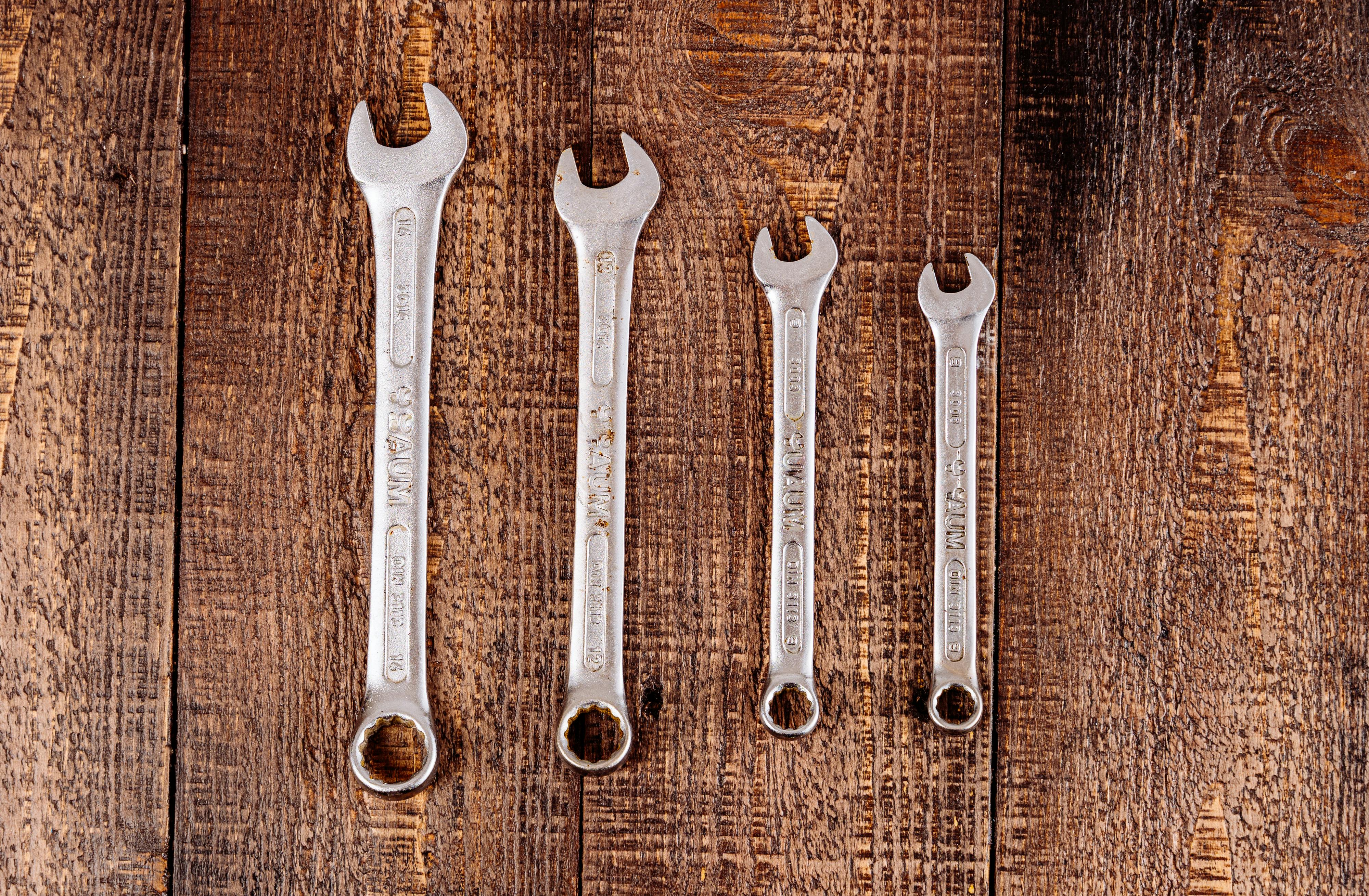
For example, if your HVAC system is approaching the end of its expected service life, start planning for replacement before an emergency forces an immediate decision.
Preventive maintenance also helps identify smaller concerns before they develop into more extensive repairs.
The goal isn't to eliminate maintenance spending. It's to make those expenses more predictable and protect the property's long-term condition.
5. Buying Based on Rental Income Instead of Actual Profitability
A property with an attractive purchase price and strong projected rental income can seem like an obvious investment.
But numbers on a listing don't necessarily reflect what you'll earn.
Consider a fourplex advertised for $400,000 with projected monthly rent of $4,000. On paper, that income might look appealing.
However, those figures don't account for vacancies, property taxes, insurance, maintenance, management expenses, or major repairs.
Before purchasing, calculate the property's expected net operating income using realistic revenue and expense assumptions.
It's also important to evaluate rental demand, property condition, comparable properties, and the costs associated with managing the building.
For multifamily investments, review available financial statements, maintenance records, and occupancy history.
A property with higher projected rental income may ultimately generate weaker returns if its ongoing expenses are substantially greater.
The better investment isn't necessarily the property with the highest advertised rent. It's the one whose expected income, expenses, and risks align with your financial goals.
Conclusion
Protecting your rental investment means recognizing expenses and risks before they become difficult to manage. A property that looks profitable today may perform very differently once repairs, vacancies, and operating costs are considered.
The Property Society helps owners throughout Greater Austin manage their rental investments through maintenance coordination, rent collection, inspections, and financial reporting.
Whether you're evaluating a new purchase or reviewing an existing investment, contact our team to learn how professional property management can support your goals.
Want to Know More About Us?
Frequently Asked Questions
What Is the Biggest Financial Mistake New Landlords Make?
One common mistake is assuming that rental income remaining after the mortgage payment represents profit.
Before purchasing, create a realistic operating budget that accounts for both recurring expenses and less frequent capital improvements.
This gives you a better understanding of the property's potential cash flow and helps determine whether the investment fits your financial goals.
Should I Buy an Older Rental Property in Austin?
Older properties can be worthwhile investments when their purchase prices and expected returns account for their condition.
Before making an offer, review the property's maintenance history and arrange appropriate inspections. If major repairs are likely, obtain contractor estimates and incorporate those costs into your financial projections.
The property's age alone shouldn't determine your decision. Its condition, anticipated expenses, and potential rental performance are more useful indicators.
How Can I Reduce Vacancy-Related Losses?
Reducing vacancy losses starts with understanding local rental demand and setting a competitive asking rent.
An overpriced property may sit vacant longer, while pricing below comparable rentals can reduce potential income.
Review similar properties, assess the condition of your rental, and prepare the home for marketing before the current lease ends when circumstances permit.
Clear photographs, accurate descriptions, and timely responses to inquiries can also support the leasing process.
What Expenses Should I Review Before Buying a Rental Property?
Review property taxes, insurance, utilities paid by the owner, routine maintenance, management expenses, and expected vacancy costs.
For multifamily properties, examine available operating statements, lease agreements, rent rolls, and records of recent repairs.
Compare the seller's financial projections with supporting documentation whenever possible.
Remember to evaluate financing costs separately when calculating your expected cash flow. This helps distinguish the property's operating performance from the impact of your loan terms.
How Often Should Austin Rental Properties Be Inspected?
Inspection frequency depends on the property's condition, lease provisions, maintenance history, and applicable requirements.
Move-in and move-out inspections help document changes in property condition, while periodic inspections can identify maintenance concerns during occupancy.
A consistent inspection process can also help owners plan repairs, maintain accurate records, and make informed decisions about future improvements.