How Much Can I Rent My House For in Austin?

- Research comparable rental listings in your neighborhood online to establish a baseline average rent range within 10 percent of market.
- Adjust your estimate downward for deferred maintenance, outdated finishes, or below-average condition, and upward for recent renovations, premium location, or above-average amenities.
- Account for Austin's seasonal leasing patterns: peak rent occurs May through July, and winter vacancies cost money, so lease-expiration timing affects your net annual rental income.
One of the most important questions a landlord must ask is "How much can I rent my house for in Austin?". Setting the right rent for your Austin house is one of the most consequential decisions you'll make as a landlord. Overprice it and your property sits empty, bleeding money on a mortgage, utilities, and taxes while you wait for a renter who never comes. Underprice it and you leave thousands on the table each year.
Austin's rental market has shifted dramatically since 2023. This means the rental landscape you may have heard about two years ago no longer applies.
The Property Society has managed rental properties in Austin since 2006 and works with Austin property owners daily to price competitively in this softer market. This guide walks you through a practical method to estimate how much you can rent your house for, using comparable listings, property condition, and seasonal trends.
Contact Us Today
Research Comparable Rental Listings
To determine how much rent you can charge, start by identifying what similar homes in your neighborhood are actually renting for right now. Comparable rentals, or comps, form the foundation of any realistic estimate.
Do a quick online search for single-family homes and duplexes that match your property in age, size, condition, and location. Look for listings posted within the last 30 days. Older listings clutter your data because they may be leased already or the price may be stale.
Filter for homes with aimilar square footage and the same bedroom and bathroom count as yours, or within one bedroom of it. A three-bedroom, one-and-a-half-bath house should be compared against other three-bedroom, one-and-a-half-bath homes, not four-bedroom properties.

Write down the asking rent for each comparable property. Aim to collect at least five to eight active listings in your immediate neighborhood or a very similar submarket . If your neighborhood is small or listings are sparse, expand your search to adjacent areas with similar character and price point.
Once you have your list, calculate the average. That average is your baseline. Most of your comps should fall within 10 percent of it.
Account for Property Condition
Your baseline is only a starting point. Now adjust it up or down based on how your specific property compares to those comps.
If your Austin rental property is in move-in condition with recent updates to the kitchen, bathrooms, flooring, and HVAC, price at or slightly above your baseline. If you have installed new windows, a new roof, or upgraded appliances within the last five years, that justifies a 5 to 10 percent premium. Renters will pay more for a property that requires no immediate repairs and has modern finishes.
If your house has deferred maintenance, dated finishes, or mechanical systems that are aging, adjust downward by 5 to 15 percent. Renters notice these things and factor them into their decision. If you price above market for a property in average condition, you will compete poorly against newer or better-maintained homes and your vacancy will extend.
Be honest about your property's condition relative to your comps. Walk through each comparable listing online if photos are available. Compare appliances, flooring, paint, lighting, and outdoor space. If your house is visibly less updated, price accordingly.
Factor in Neighborhood and Amenities
Location within Austin city limits matters significantly.
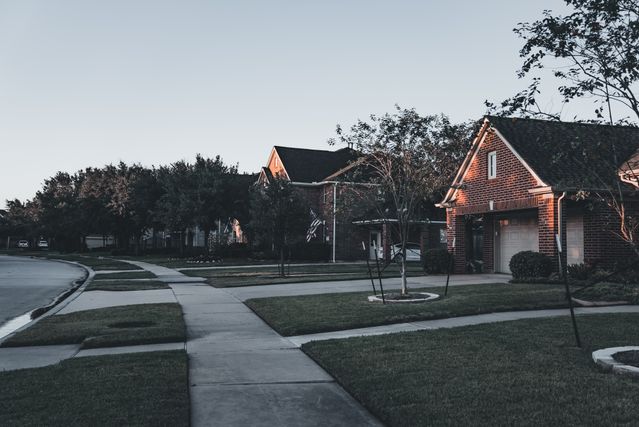
A home in North Loop or Rosedale will rent for more than a home of identical size in a less central neighborhood. A property within walking distance of a grocery store, coffee shops, or a park commands a premium. Proximity to employment centers like the Domain, downtown, or the Tech Corridor also influences rent.
If your property sits on a quiet street with mature trees, a large yard, or a desirable school attendance zone, you can price slightly above your baseline. If your property is on a busy road, near a commercial corridor, or in a less walkable area, expect to price slightly below. These adjustments are typically 5 to 10 percent in either direction.
Contact Us Today
Amenities matter too. A fenced yard, a garage, in-unit laundry, or a pool add value. A property without off-street parking, in a flood-prone area, or with no outdoor space will rent for less. Again, compare your property directly to your comps. If your comps all have garages and yours does not, price accordingly.
Understand Austin's Seasonal Leasing Trends
Austin's rental market is highly seasonal. This affects not just how fast your property will lease, but also what rent you can command from prospective tenants and when.
The strongest leasing season runs May through July. Families move before the school year, and students turn over in the summer. Rents are highest during this window, and properties lease quickly. If your lease expires during this peak, you can price at or above your baseline and expect to be leased within 30 to 40 days.

February through April is also a strong leasing season. February is traditionally when the fast leasing cycle begins. Properties price competitively and move steadily.
November through January is the slowest window. Fewer renters are looking, and properties sit longer. If your lease expires in December or January, expect to either cut rent by 5 to 10 percent or offer a concession to attract renters and avoid a winter vacancy. The cost of holding an empty property through the holidays often exceeds the revenue you would lose by discounting rent.
Track when your current lease expires. If it expires in June, you are in the peak leasing window and can price confidently. If it expires in November, plan to price more competitively or offer an incentive.
Adjust for Current Market Conditions
Austin's rental market has cooled significantly. Vacancy sits near a multi-year high, and concessions are back. This is not the tight market of 2021 and 2022.
Days on market vary by submarket. Citywide, single-family homes average 40 days to lease. In suburban markets homes lease faster at 36 to 41 days. In central Austin, where inventory is higher and competition is tighter, expect 45 to 60 days if your price is not competitive.
If your investment property sits on the market for more than 45 days, you have priced too high. Every day vacant costs you rent, utilities, insurance, and property taxes. It is cheaper to cut rent by $50 a month than to carry a 60-day vacancy.
Bottom Line
Pricing your Austin, TX, rental starts with research. Find comparable rentals in your neighborhood, calculate the average, and adjust that baseline for your property's condition, location, and amenities. Account for Austin's seasonal leasing patterns and understand that Austin's market has softened significantly.
Once you have narrowed your estimate, connect with a property manager who knows your neighborhood. Contact The Property Society today for help pricing rentals accurately and turning market knowledge into higher net operating income.
Contact Us Today
Frequently Asked Questions About Austin Rental Pricing
What Is the Difference Between Market Rent and What I Can Actually Get?
Market rent is the average of comparable listings in your neighborhood right now. What you can actually get depends on your property's condition, your lease expiration timing, and how aggressively you price. If your property is in move-in condition and you lease during peak season, you can get at or above market rent.
If your property needs updates and you lease in winter, you will get below market. The gap between market and actual is typically 5 to 15 percent, depending on condition and timing. A professional rental analysis bridges this gap by accounting for your specific property and current market dynamics.
How Often Should I Adjust My Rent?
Adjust your rent at lease renewal, not mid-lease. When your resident's lease expires, assess the current market, compare new comps, and decide whether to hold rent flat, increase it, or offer a renewal incentive to keep your resident and avoid a vacancy. Austin's market is moving quickly.
Rents that were competitive six months ago may not be competitive today. Most property managers review renewal pricing 45 days before lease expiration to give themselves time to market the property if the resident does not renew. This proactive approach minimizes vacancy and keeps your property leased to paying residents.
Should I Price High and Negotiate Down, or Price at Market?
Price at market. Overpricing to see what happens is expensive in Austin's current market. Every day your property sits empty costs you money. If your listing gets no inquiries, you have wasted 10 to 20 days before you realize the market will not bear that price.
Cut rent aggressively from the start, lease in 30 days, and collect 11 months of rent. That produces more annual income than holding out for a higher rent price and collecting only 10 months. Price competitively based on your research, and you will lease faster and earn more over the year.
What Does a Concession Actually Cost Me?
A concession costs you the cash value of the concession, not the headline rent. If you offer a free first month, you are giving up the cost of one month of rent in year-one revenue. If that concession gets your property leased 20 days faster and saves you the cost of vacancy, you break even and you have a resident in place.
Run the math: days you expect to be vacant at your headline rent, times your daily holding cost (mortgage, utilities, taxes, insurance divided by 30), minus the value of the concession. If the concession saves you more in vacancy cost than it costs you in upfront revenue, it makes financial sense.
How Do Seasonal Trends Affect What I Should Charge?
Austin's leasing season peaks May through July and again in February through April. During these windows, rents are higher and properties lease faster. If your lease expires in June, price confidently at or above market. If your lease expires in December, expect to price 5 to 10 percent below market or offer a concession to attract renters in the slow winter season.
Winter vacancies are expensive because few renters are looking and your property will sit. Lease-expiration timing is a legitimate strategy. If you have flexibility, aim to expire your lease during peak season so you can price and lease efficiently.